
In the United States, ensuring the safety and well-being of children in daycare settings is paramount for parents and guardians. Daycare abuse, encompassing physical, emotional, and sexual misconduct, poses a grave concern. Connecticut, with its stringent regulations, aims to protect young minds; however, navigating these laws can be complex. This article delves into the critical role of expert lawyers specializing in daycare abuse cases in Connecticut. Their profound knowledge and advocacy ensure victims receive justice and compensation for the trauma they’ve endured, fostering a safer environment for all children.
Understanding Daycare Abuse Laws in Connecticut
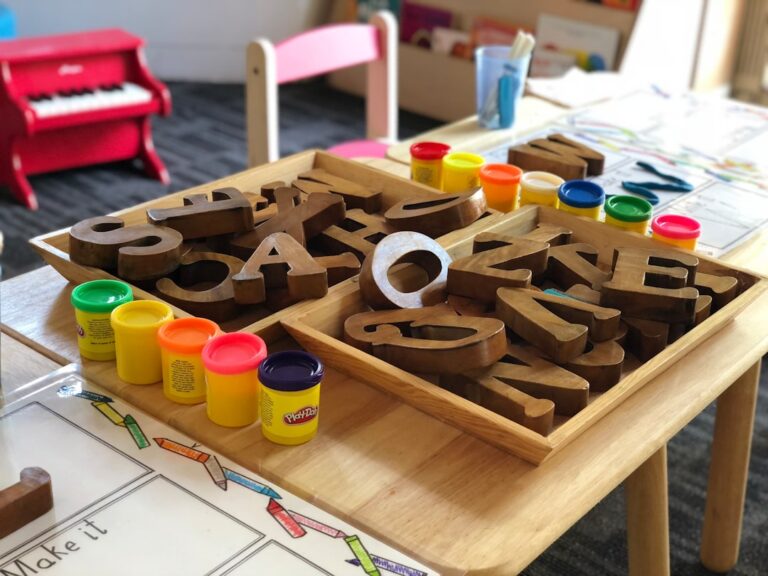
In Connecticut, daycare abuse laws are designed to protect children under the care of licensed facilities, holding them to stringent standards of safety and well-being. These laws empower parents and guardians with the right to seek justice when their children have been harmed due to negligence or intentional acts within a daycare setting. A crucial aspect of this legal framework is the expertise required to navigate these complex regulations effectively. This is where specialized daycare abuse lawyers in Connecticut play an indispensable role, ensuring that victims receive the compensation and accountability they deserve.
Daycare abuse lawyer Connecticut professionals possess an in-depth understanding of state laws, including the specific provisions governing childcare facilities, criminal procedures, and civil lawsuits. They are adept at recognizing patterns of abuse, such as physical harm, emotional trauma, or neglect, and can swiftly initiate legal proceedings against the responsible parties. For instance, a daycare center might be held liable for failure to supervise children adequately, resulting in injuries from playground equipment or altercations among peers. Lawyers skilled in these matters know how to gather evidence, interview witnesses, and construct compelling cases that resonate with insurance companies and juries alike.
Moreover, these experts offer invaluable guidance on the intricate process of filing claims, managing timelines, and negotiating settlements or taking cases to trial. They help families understand their legal rights and options, ensuring they are not overwhelmed by the complexities of the justice system. Data suggests that Connecticut’s stringent daycare regulations have led to a decrease in abuse incidents, but there remains a need for proactive legal oversight. Daycare abuse lawyers serve as a powerful deterrent, encouraging facilities to maintain safe environments by knowing that non-compliance can lead to significant legal repercussions.
Identifying Signs of Daycare Negligence: What to Look For

Identifying signs of daycare negligence is a crucial step for parents seeking justice and safety for their children. In Connecticut, where the state has strict regulations governing childcare facilities, recognizing potential abuse or neglect can be the key to holding accountable those responsible. A daycare abuse lawyer Connecticut experts advise that while many red flags may seem subtle, they often point to deeper issues within the facility.
Physical injuries, such as unexplained bruises, cuts, or scalds, are obvious indicators but not exclusive. Behavior changes in children, including excessive aggression, withdrawal, or fear of certain activities or people, can be early warnings. Additionally, consistent tardiness or frequent illness may suggest a lack of proper supervision and hygiene practices. Regularly reviewing records for any patterns in these areas is essential. Connecticut’s Department of Children and Families reports that approximately 30% of child abuse cases involve daycare settings, highlighting the critical need for parental vigilance.
Beyond individual incidents, parents should pay attention to overall facility management. Unsanitary conditions, inadequate staff-to-child ratios, or inconsistent routines can create an environment conducive to neglect. Daycare abuse lawyers in Connecticut advise that open communication with caregivers and regular visits to the center are essential tools for prevention. By staying involved and observant, parents can play a significant role in ensuring their children’s safety and well-being while navigating any legal actions if necessary.
Navigating Legal Options with a Daycare Abuse Lawyer Connecticut

Navigating legal options with a daycare abuse lawyer Connecticut is a critical step for families seeking justice and healing after their child has suffered harm at a care facility. These specialized attorneys have an in-depth understanding of state laws, regulations, and the unique challenges that arise in cases involving daycare abuse. They play a pivotal role in ensuring that victims’ rights are protected and that responsible parties are held accountable.
Daycare abuse lawyers Connecticut assist families by thoroughly investigating the incident, gathering evidence, and constructing a compelling legal argument. They often work with medical professionals to document the physical and psychological impact of the abuse on the child. This comprehensive approach is essential as it strengthens the case and increases the likelihood of a favorable outcome. For instance, statistics show that well-prepared cases led by experienced daycare abuse lawyers Connecticut have resulted in substantial settlements for victims, providing them with the resources needed for therapy and long-term care.
Legal representation also navigates complex procedural requirements, ensures compliance with statutes of limitations, and protects clients from potential loopholes or legal pitfalls. By employing strategic litigation, these lawyers can lead to policy changes that enhance daycare safety standards across the state. This not only brings about justice for individual families but also contributes to a safer environment for all children in Connecticut under care. Families should proactively consult with a reputable daycare abuse lawyer Connecticut early in their journey to ensure they receive the best possible support and representation.